Acne may clear, but the marks it leaves behind can persist for months or even years. These scars often appear as dark spots, redness, uneven texture, or deeper indentations on the skin.
The most effective way to treat acne scarring depends on the type of damage present. While skincare can improve pigmentation and mild texture concerns, deeper scars often require professional treatments such as microneedling, laser therapy, or acne scar filler injections.
This guide explains what works, what does not, and how long it takes to see visible improvement.
What Causes Acne Scarring?
Acne scars form when inflamed breakouts damage the skin and underlying tissue. During healing, the body may produce too little or too much collagen, leading to either depressions or raised areas.
It is important to note that not all post-acne marks are true scars. Some are temporary pigmentation changes that fade over time, while others are permanent structural changes in the skin.
Types of Acne Scars
Understanding your scar type is essential for choosing the correct treatment.
1. Dark spots (post-inflammatory hyperpigmentation)
Flat brown marks caused by excess pigment after inflammation.
2. Red or pink marks (post-inflammatory erythema)
Vascular redness that remains after acne has healed.
3. Ice pick scars
Deep, narrow indentations in the skin.
4. Boxcar scars
Broad, box-shaped depressions with defined edges.
5. Rolling scars
Wavy texture caused by fibrous bands beneath the skin.
Flat marks often fade over time, whereas indented scars usually require clinical treatment.
How to Get Rid of Acne Scars Naturally
Natural approaches cannot completely remove deep acne scars, but they can support skin healing and improve overall appearance.
Useful habits include:
- Wearing SPF daily to prevent pigmentation from worsening
- Avoiding picking or squeezing spots
- Maintaining a healthy skin barrier with gentle skincare
- Keeping a consistent skincare routine
These measures help the skin recover more effectively, but they are most suitable for mild pigmentation rather than deeper scarring.
Best Ingredients for Acne Scars
Certain skincare ingredients can gradually improve tone, texture, and clarity:
- Niacinamide: helps reduce redness and strengthen the skin barrier
- Vitamin C: brightens pigmentation and supports collagen production
- Azelaic acid: helps improve discolouration and calm inflammation
- Retinoids: increase cell turnover and improve skin texture
- Moisturisers: support barrier repair and overall skin health
Consistency is essential, as results develop gradually over time.
Retinol for Acne Scars: Does It Work?
Retinol can help improve acne scarring over time by increasing cell turnover and stimulating collagen production.
It may help to:
- Improve uneven skin tone
- Smooth rough texture
- Reduce the appearance of mild post-acne marks
However, results are gradual and typically require several months of consistent use. Stronger prescription retinoids such as tretinoin may provide more noticeable improvement but can cause dryness, irritation, and increased sensitivity.
Daily sunscreen is essential when using retinoids, as the skin becomes more sensitive to UV exposure.
Is Hyaluronic Acid Good for Acne Scars?
Hyaluronic acid is beneficial for hydration but does not treat acne scars directly.
It works by drawing moisture into the skin, making it appear plumper, smoother, and more hydrated. This can temporarily soften the appearance of fine texture and dryness.
However, it does not repair deep scarring or rebuild lost collagen. It works best when used alongside active ingredients such as retinol, vitamin C, and daily SPF.
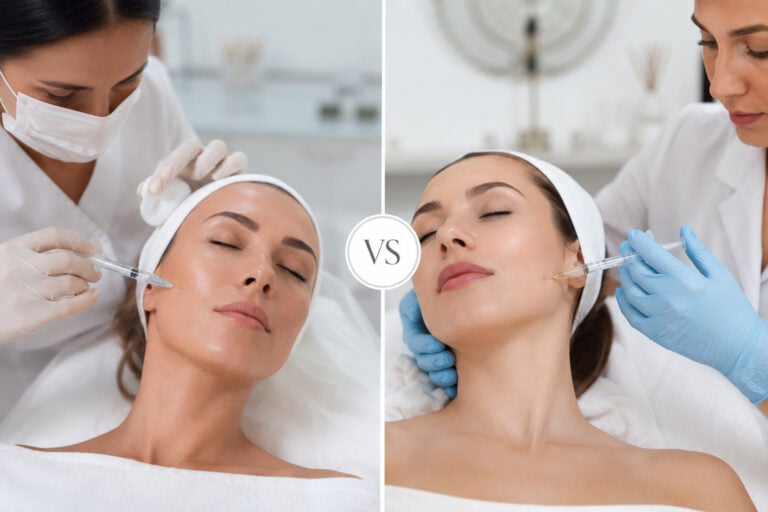
Microneedling for Acne Scars: Before and After
Microneedling is a widely used treatment in the UK for improving acne scar texture.
It works by creating controlled micro-injuries in the skin, triggering the body’s natural healing response and stimulating collagen production.
Expected improvements:
- Smoother skin texture
- Reduced appearance of rolling and shallow scars
- Gradual improvement in overall skin quality
Most people require a course of treatments to achieve noticeable results. Improvements continue to develop over several months as collagen remodels.
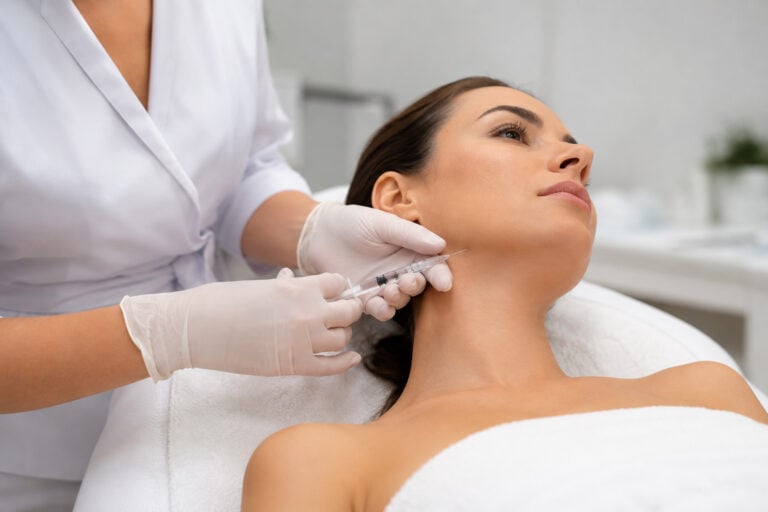
Acne Scars Filler Injections
Acne scar filler injections are used for depressed scars that have lost volume.
Dermal fillers lift the skin from beneath, reducing shadowing and improving the appearance of deeper scars.
Key points:
- Immediate visible improvement
- Temporary results depending on filler type
- Not suitable for all scar types
- Requires professional assessment
Fillers are often combined with other treatments for more comprehensive results.ose who are pregnant, breastfeeding, or have specific medical conditions. A professional consultation is always required before treatment.
How Long Do Acne Scars Last?
Healing time depends on the type of marks present.
- Dark spots and redness: may fade within 3–12 months
- Mild texture changes: gradual improvement over several months
- Deep scars: may persist long-term without treatment
With appropriate skincare and professional treatments, significant improvement is usually achievable, although deeper scars may not disappear completely.
Professional Treatments for Acne Scars
For more pronounced scarring, clinical treatments are often required.
- Microneedling: Stimulates collagen production and improves skin texture over time.
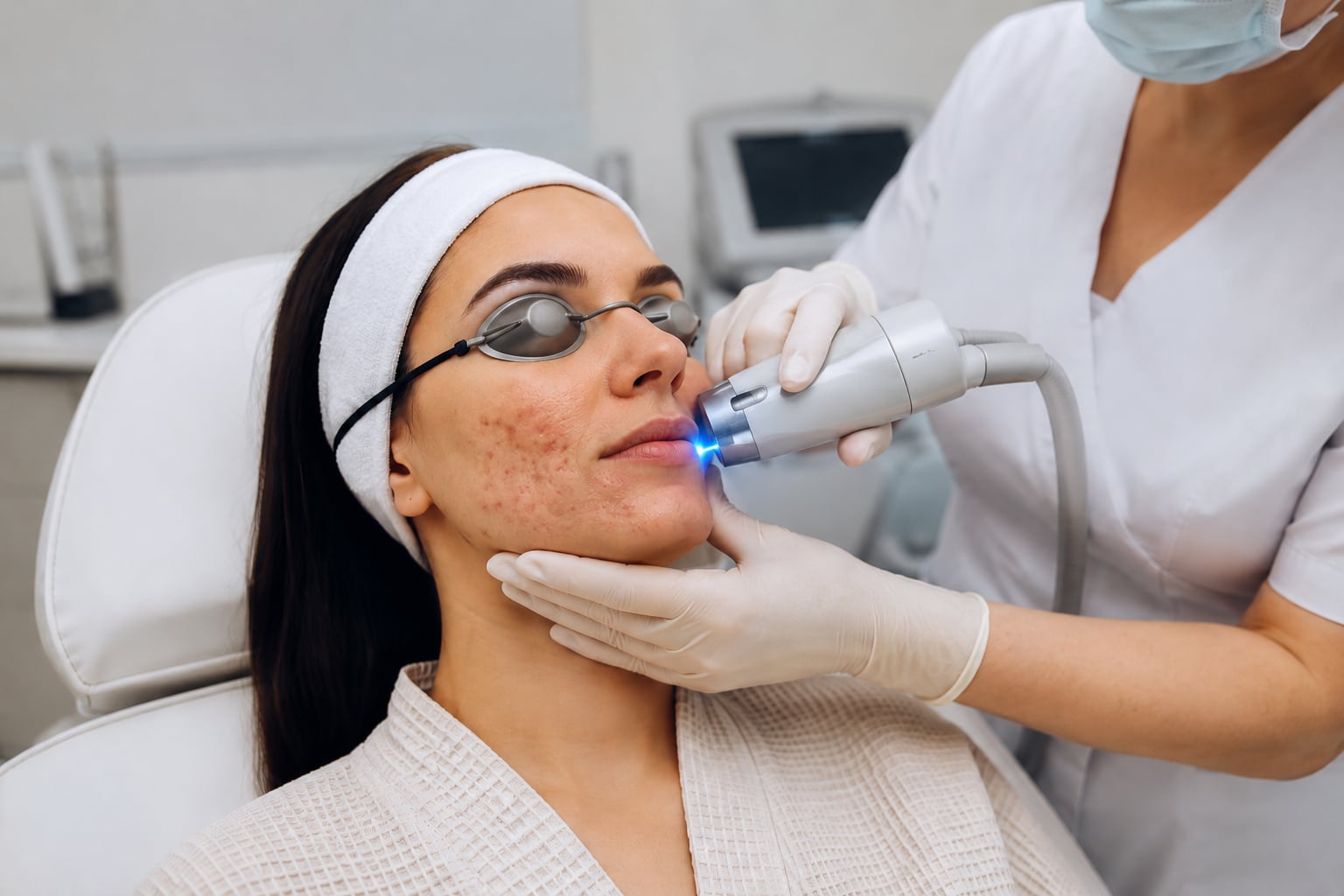
- Laser treatment: Targets pigmentation and resurfaces the skin, depending on the type of laser used.
- Chemical peels: Help improve surface texture and pigmentation.
- Acne scar filler injections: Restore volume in depressed scars for immediate improvement.
A combination of treatments often delivers the best outcomes.
Before and After Expectations
Before treatment:
- Visible acne scarring and uneven skin texture
- Dark spots or redness from previous breakouts
- Dull or uneven skin tone
After treatment:
- Smoother, more even skin texture
- Reduced visibility of scars
- Improved clarity and tone
Results vary depending on scar type, severity, and treatment consistency.
Conclusion
Acne scar treatment is most effective when tailored to the type and severity of scarring.
Skincare ingredients such as retinol, vitamin C, and niacinamide can improve mild pigmentation and texture. Hyaluronic acid helps maintain hydration but does not treat deeper scars.
For more advanced scarring, treatments such as microneedling, laser therapy, and acne scar filler injections provide more significant and longer-lasting improvement.
A consistent skincare routine, daily sun protection, and professional guidance are essential for achieving the best results.
Frequently Asked Questions (FAQs)
Flat marks may fade within months, while deeper scars can last for years without treatment.
Natural methods can support healing but cannot remove deep scarring. SPF, gentle skincare, and avoiding picking are key.
Yes, retinol can improve texture and pigmentation over time with consistent use.
SPF, retinoids, niacinamide, vitamin C, azelaic acid, and barrier-supporting moisturisers.
Yes, it helps stimulate collagen and improve texture over a course of treatments.