

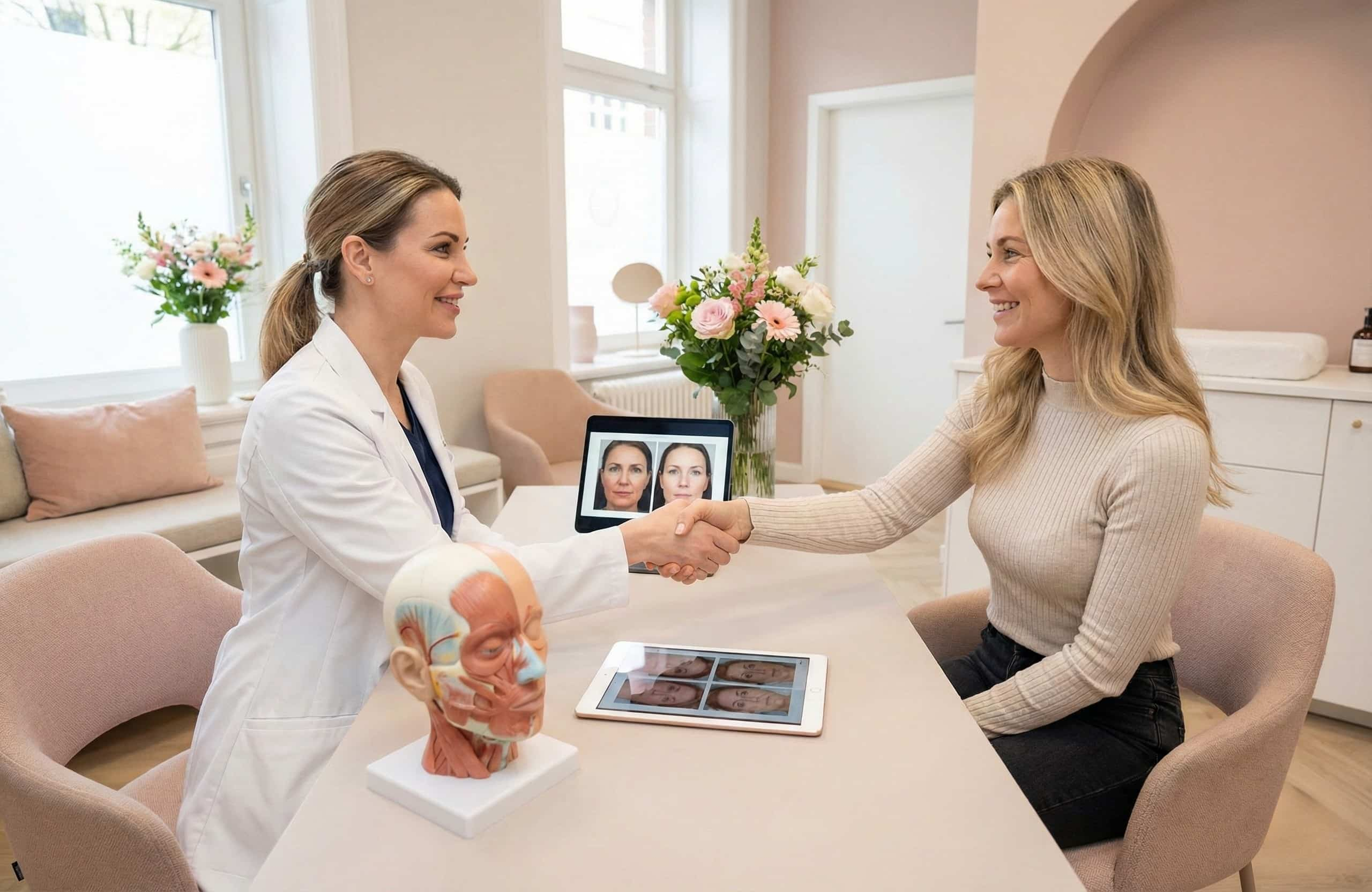
Trust is the foundation of every successful aesthetic practice. Clients are not only investing financially in treatments, they are also placing confidence in the practitioner’s expertise, judgement and ethical standards. In an industry where results are visible and personal, building trust is essential for long-term client relationships, repeat bookings and positive word of mouth.
This guide explores practical, proven ways aesthetic professionals can build and maintain client trust at every stage of the treatment journey.
Start with a Professional First Impression
Trust often begins before a client ever steps into the treatment room. A clean, organised and professional environment immediately reassures clients that standards are taken seriously.
Key factors include:
- A tidy, hygienic clinic setting
- Clear branding and professional communication
- Well-presented staff with appropriate qualifications
- Transparent pricing and policies
Consistency across your website, booking process and in-clinic experience reinforces credibility and professionalism.
Prioritise Thorough Consultations
A high-quality consultation is one of the most effective ways to build trust. Clients want to feel heard, understood and supported — not rushed or pressured.
During consultations:
- Take time to understand the client’s goals and concerns
- Ask detailed medical and lifestyle questions
- Explain treatment options clearly and honestly
- Set realistic expectations about results and longevity
Being willing to say no when a treatment is unsuitable demonstrates integrity and reinforces professional authority.
Educate Rather Than Sell
Clients are more likely to trust practitioners who focus on education rather than sales. Explaining how treatments work, why certain products are chosen and what outcomes are realistic helps clients feel informed and empowered.
Clear education should cover:
- How the treatment works
- Expected benefits and limitations
- Potential side effects and downtime
- Alternative options where appropriate
An informed client is more confident in their decision and more satisfied with the outcome.
Be Transparent About Risks and Aftercare
Honest discussion of risks builds credibility. While aesthetic treatments are generally safe when performed correctly, no procedure is entirely risk-free.
Trust is strengthened when practitioners:
- Clearly explain common side effects
- Discuss rare but possible complications
- Provide detailed aftercare guidance
- Encourage clients to ask questions
Transparency reassures clients that their safety is the priority, not just the result.
Use High-Quality, Reputable Products
Clients may not always understand product formulations, but they do value quality and safety. Using reputable, regulated products and being open about what is used helps build confidence.
Where appropriate:
- Explain why a specific product has been selected
- Reassure clients about regulatory compliance
- Store and handle products professionally
Consistency in product choice also contributes to predictable results, which reinforces trust over time.
Maintain Clear and Honest Communication
Trust grows when communication is consistent, respectful and ongoing. This includes communication before, during and after treatment.
Best practices include:
- Clear consent processes
- Written aftercare instructions
- Follow-up messages or appointments
- Being accessible if clients have concerns
Prompt, calm responses to questions or issues show professionalism and accountability.
Deliver Natural, Ethical Results
Over-treatment can quickly damage trust. Many clients seek subtle enhancement rather than dramatic change, and practitioners who respect facial balance and individuality are more likely to build long-term relationships.
Focusing on natural results:
- Aligns with client expectations
- Reduces dissatisfaction
- Encourages repeat visits
- Builds a reputation for ethical practice
Clients who feel comfortable and confident in their appearance are more likely to recommend your services to others.
Build Long-Term Relationships, Not One-Off Appointments
Trust is not built in a single visit. It develops through consistency, honesty and reliable outcomes over time.
Encourage long-term trust by:
- Keeping detailed client records
- Reviewing previous treatments at follow-up visits
- Adjusting treatment plans as needs change
- Offering maintenance advice rather than upselling
Clients who feel valued are more likely to stay loyal and engaged with your practice.
Final Thoughts
Building client trust in aesthetic treatments requires more than technical skill. It relies on professionalism, transparency, education and ethical decision-making at every stage of the client journey.
By prioritising safety, communication and realistic outcomes, aesthetic practitioners can create an environment where clients feel confident, informed and respected. Trust not only enhances client satisfaction but also supports sustainable, long-term success within the aesthetics industry.


