
Introduction
When people start looking into non surgical facial treatments, one of the first questions they ask is about Botox and fillers. Many people confuse the two, yet they work in very different ways and are used for different concerns. If you have been wondering about the difference between Botox and filler, this guide will help you understand each option in simple terms.
Some people want smoother expression lines. Others want to restore lost volume or improve facial shape. That is why the choice is not always straightforward. In many cases, the right treatment depends on your skin goals, age, facial structure, and the area you want to treat.
It is also important to understand that treatment outcomes are closely linked to product quality and professional standards. Many clinics across the UK rely on trusted suppliers such as Filler Direct to source safe and authentic aesthetic products used in Botox and dermal filler treatments.
This article explains what each treatment does, where it works best, whether they can be used together, and which option may suit wrinkles, smile lines, lips, or forehead concerns.
What Is the Difference Between Botox and Filler?
The main difference between Botox and filler is how each treatment works.
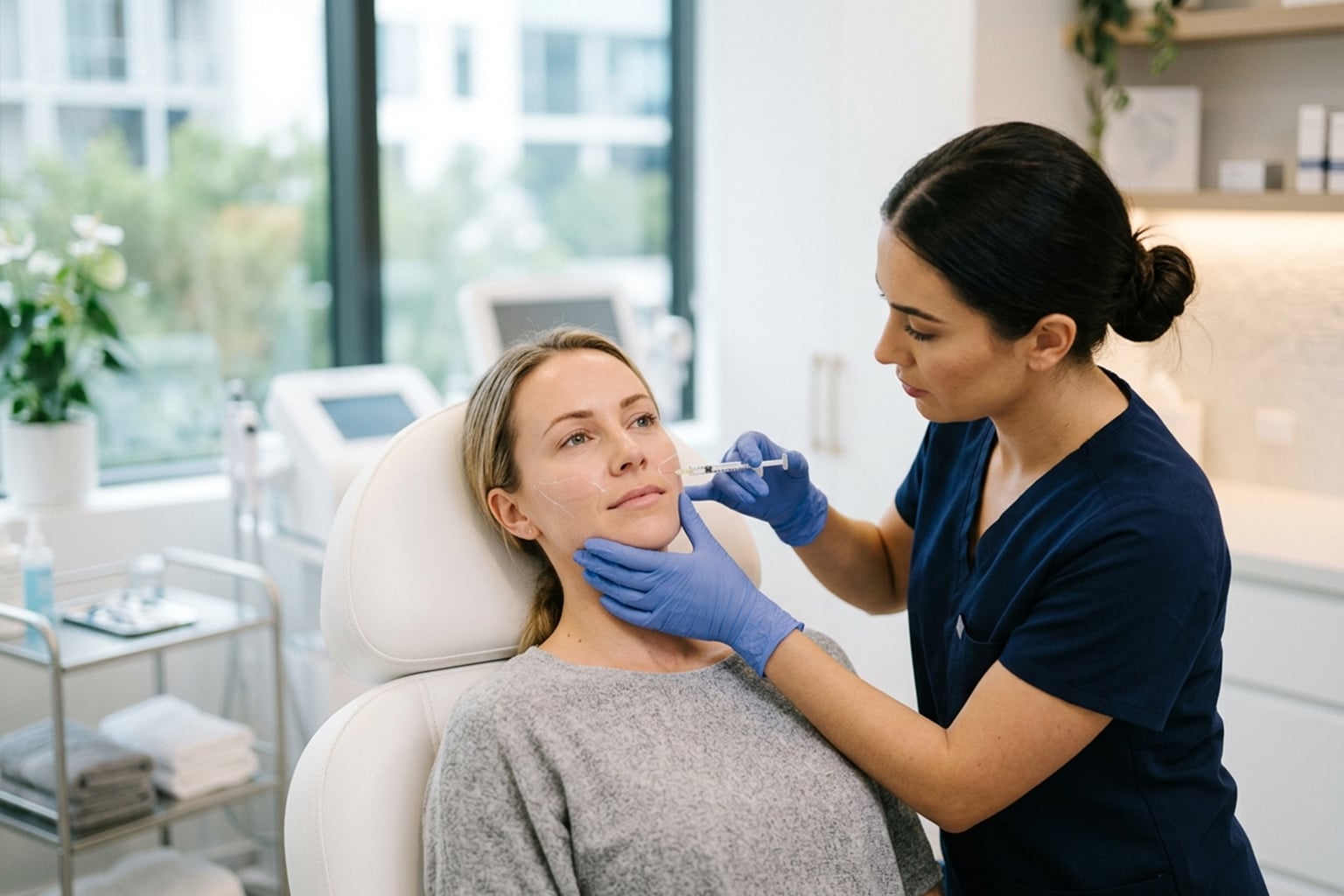
Botox is used to relax muscles that create expression lines. It is commonly chosen for forehead lines, crow’s feet, and frown lines. By softening muscle movement, it helps the skin look smoother and more rested.
Filler, often called dermal filler, is used to add volume beneath the skin. It is usually placed in areas such as the lips, cheeks, jawline, and around the mouth. It helps improve fullness, contour, and deeper lines that are linked to volume loss rather than muscle movement.
In simple words, one reduces movement while the other restores support and shape.
Botox vs Dermal Filler
A good way to understand the difference is to think about the cause of the concern.
If your lines appear because of facial movement, the injectable that relaxes muscles is usually the more suitable route.
If your concern comes from hollow areas, sagging, or loss of volume, a dermal treatment is often more appropriate.
This is why the debate around botox or filler which is better does not have one fixed answer. The better option depends on the concern being treated.
Botox vs Fillers for Wrinkles
Which is better, Botox or fillers for wrinkles?
It depends on the type of wrinkle and what is causing it.
Botox is typically used for dynamic wrinkles, which appear through repeated facial movement such as frowning, smiling or raising the eyebrows. These lines are most common on the forehead, between the brows and around the eyes.
Dermal fillers are more suitable for static wrinkles, which are visible even when the face is at rest. These are usually linked to ageing and loss of volume, often seen around the mouth, cheeks and lower face.
In many cases, a combined approach using both treatments may be recommended to achieve smoother, more balanced results.
Botox vs Fillers for Forehead, Smile Lines and Lips
- Forehead
Forehead lines are usually linked to repeated muscle movement. Botox is commonly used here to soften the appearance of these lines. - Smile lines
These lines can be caused by volume loss and facial structure changes over time. Filler is often used in this area, depending on the depth and placement of the line. - Lips
Lip enhancement is generally done with dermal filler rather than Botox. This is because filler adds shape and fullness. - Frown lines
Lines between the brows are commonly treated with Botox because they are often caused by muscle activity.
Can You Have Botox and Filler Together?
Yes, can you have botox and filler together is a very common question, and the answer is yes in many cases.
These treatments are often combined because they address different concerns. One can reduce expression lines while the other can restore contour and volume. Many clinics create personalised plans that use both in different areas of the face.
For example, someone may choose Botox for the upper face and filler for the cheeks or lips. When used correctly, they can complement each other and create a fresher appearance without surgery.
Botox and Fillers Side Effects
Like any cosmetic treatment, there can be side effects. Most are mild and temporary, but it is still important to know what to expect.
Common effects after treatment may include slight redness, swelling, tenderness, or bruising at the injection site. Some people may also notice mild asymmetry or temporary sensitivity in the treated area.
With muscle relaxing injections, there can occasionally be unwanted effects if the product spreads into nearby muscles. With fillers, there can be swelling or lumps if the product settles unevenly.
This is why choosing a qualified and experienced medical professional matters. A proper consultation helps reduce risk and ensures the treatment matches your facial anatomy and goals.
Botox and Fillers Before and After Expectations
Before treatment, you should have a clear consultation about your goals, medical history, and the result you want. Good practitioners will explain what is realistic and what is not.
After treatment, results depend on the product and area treated. Botox does not usually show full results instantly, while filler often gives quicker visible change. Mild swelling or bruising can happen, so final results may take a little time to settle.
The best outcomes usually look refreshed, balanced, and natural rather than overdone.
How to Choose Between Botox and Fillers?
A simple way to decide is to ask what bothers you most.
If your concern is movement lines around the eyes, forehead, or brows, Botox may be more suitable.
If your concern is flat cheeks, thin lips, or deeper folds around the mouth, filler may be the better option.
If you have both types of concerns, a combination plan may give the best result.
Frequently Asked Questions (FAQs)
One relaxes facial muscles to soften expression lines, while the other adds volume and shape to areas that look hollow or less defined.
Neither is better in every case. The right choice depends on whether your concern is caused by muscle movement or volume loss.
Yes, many people have both treatments during the same treatment plan, as they work in different ways and can complement each other.
Lip enhancement is usually done with dermal filler because it adds shape and fullness.
In many cases, yes. Forehead lines are commonly linked to repeated facial movement, so Botox is often chosen for that area.
There can be temporary redness, swelling, bruising, or tenderness. A qualified practitioner can explain the risks properly before treatment.
Conclution:
Understanding the difference between Botox and filler makes it easier to choose the right treatment for your skin goals. If you want to soften movement related lines, Botox is often the better fit. If you want to restore fullness, shape, or support, filler may be more suitable. For many people, the most effective plan includes both.
Equally important is ensuring that treatments are carried out using high quality, clinically approved products. Reliable UK suppliers such as Filler Direct support aesthetic professionals by providing trusted products that contribute to safe and natural looking results.
If you are still unsure about botox vs filler, the best next step is a consultation with a qualified professional who can assess your facial structure, skin concerns, and desired outcome. The right plan should always look natural, balanced, and tailored to you.


